The demand for healthy beverages continues to grow across global markets, creating new opportunities for distributors, retailers, and beverage entrepreneurs. However, launching a beverage brand involves more than choosing a product. Businesses must also consider factors such as product development, MOQ requirements, certifications, packaging, and manufacturing capabilities.
Private label manufacturing offers a practical way to bring products to market faster while reducing development complexity. In this guide, we’ll explore several healthy beverage categories that continue to attract consumer interest and discuss key factors to consider before launching a private label beverage line.
Why Healthy Drinks Continue to Grow in Popularity
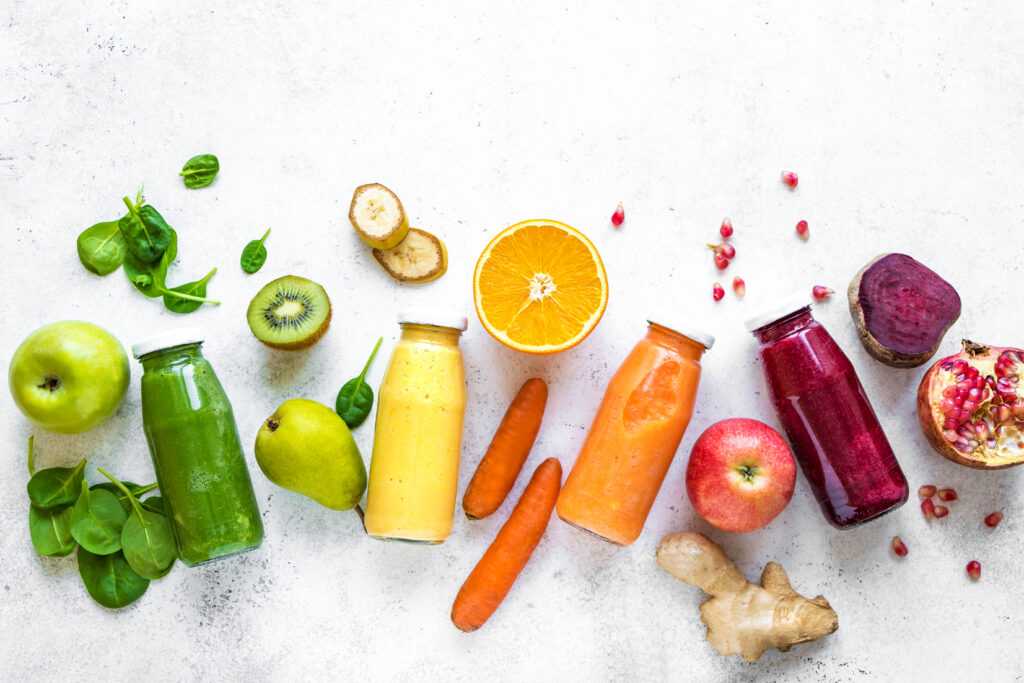
Consumer preferences have changed significantly in recent years. More people are paying attention to ingredients, sugar content, and overall wellness when choosing beverages. As a result, healthy drinks are no longer considered a niche category. They have become a mainstream part of supermarket shelves, convenience stores, gyms, and online retail channels.
In addition, many consumers are actively seeking products that align with healthier lifestyles. Whether they are looking for natural ingredients, reduced sugar options, or beverages with added functional benefits, demand continues to expand across different markets.
For distributors and beverage entrepreneurs, this shift creates opportunities to launch products that align with current consumer demand while building long-term brand value. However, choosing the right product category is often the first and most important step.
Coconut Water Remains a Strong Choice for Private Label Brands
Among healthy beverage categories, coconut water continues to perform well across many international markets. Consumers appreciate coconut water for its refreshing taste and natural hydration benefits. Because of this, it is often associated with active lifestyles and wellness-focused consumption habits.
For private label brands, coconut water also offers flexibility. Businesses can launch traditional coconut water products or develop flavored variations using tropical fruits such as passion fruit, pineapple, mango, or pomegranate. In addition, coconut water can be used as a base for functional beverage innovation. Ingredients such as prebiotics, collagen, vitamins, and minerals can be incorporated to create products that appeal to consumers seeking additional wellness benefits.
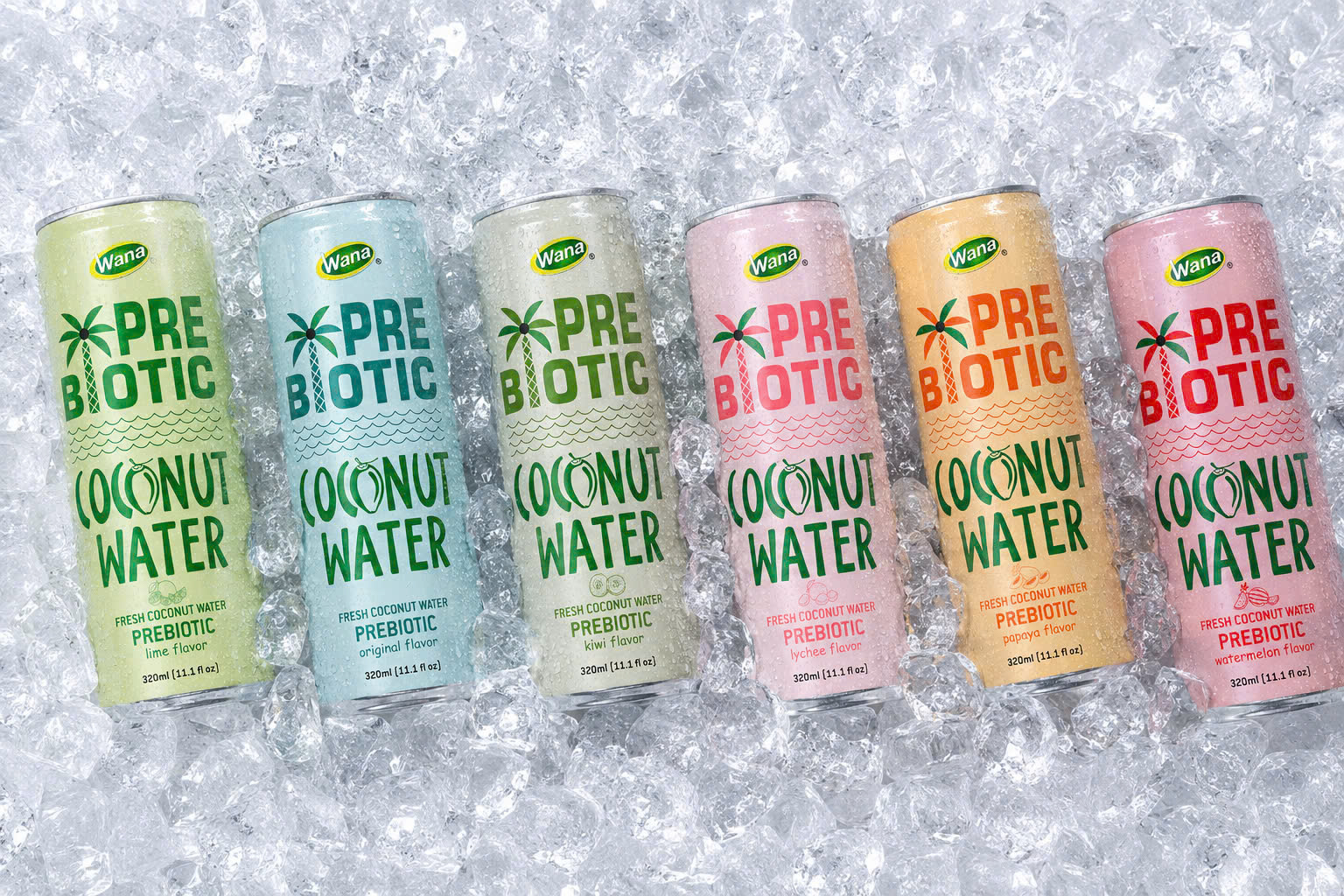
Thanks to its strong consumer recognition and broad market appeal, coconut water remains one of the most accessible healthy beverage categories for new brands entering the market.
Aloe Vera Drinks Offer a Balance of Functionality and Flavor
Aloe vera beverages have maintained their popularity for years and continue to attract health-conscious consumers. The category appeals to consumers looking for refreshing drinks with a natural image. At the same time, aloe vera’s unique texture helps create a product experience that stands out from many traditional beverages. Another advantage is its versatility. Aloe vera can be combined with a wide range of fruit flavors, allowing brands to develop product lines that appeal to different consumer preferences.
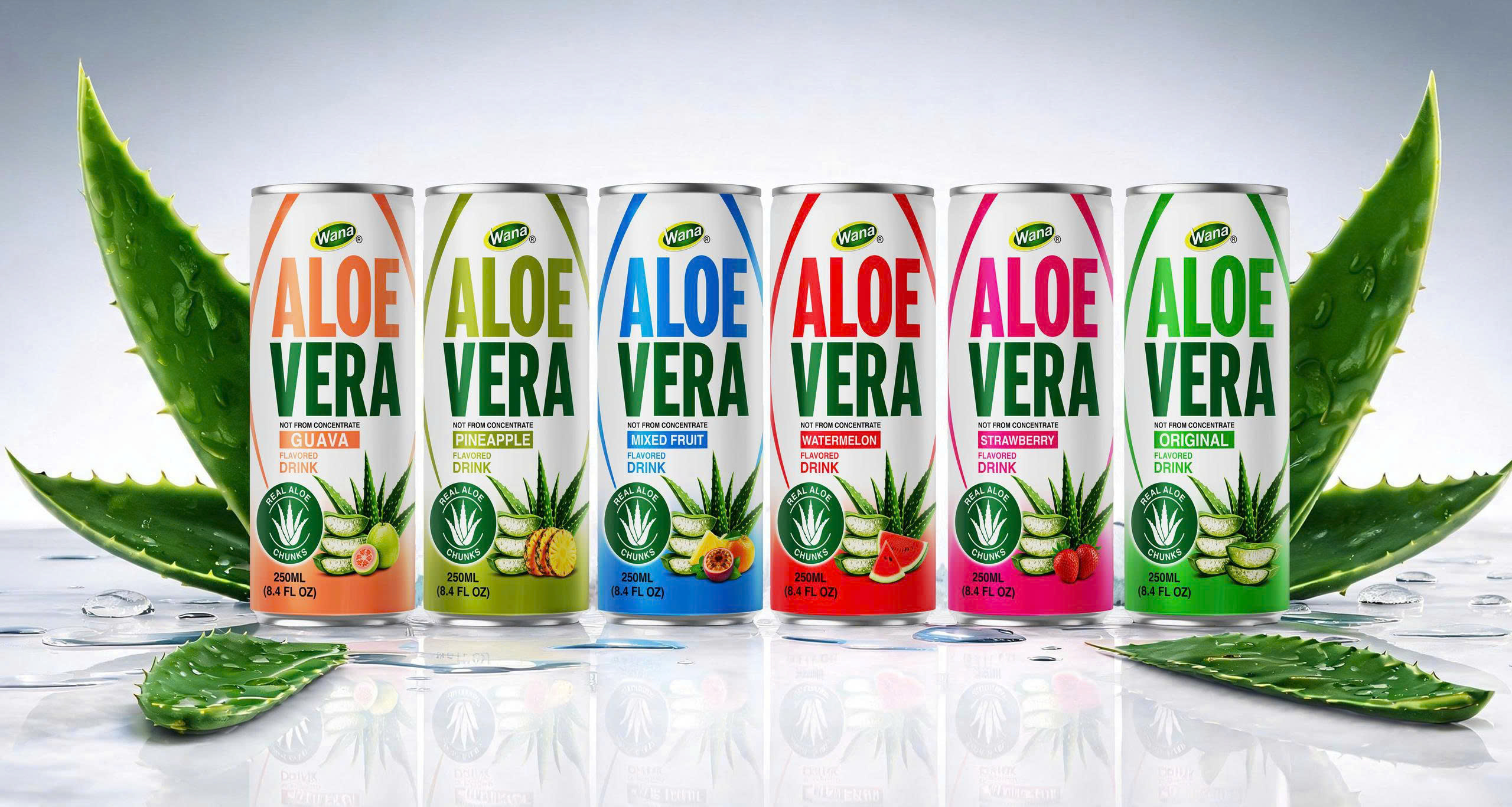
Furthermore, aloe vera beverages can be positioned across multiple markets and retail channels. Whether targeting Asian, Middle Eastern, European, or North American consumers, aloe vera remains a flexible option for private label development.
Functional Drinks Are One of the Fastest-Growing Segments
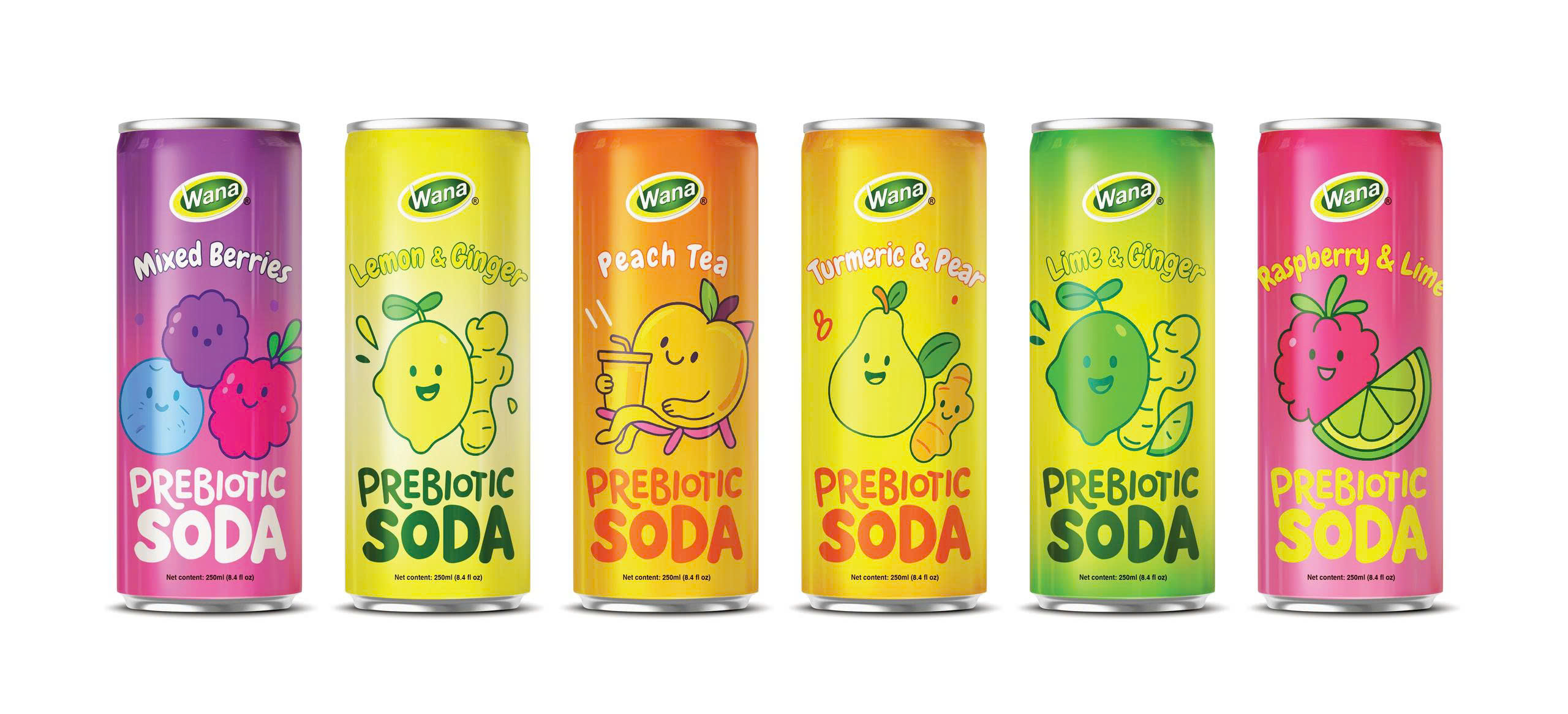
Today’s consumers increasingly expect beverages to do more than simply quench thirst. As a result, functional beverages have become one of the fastest-growing categories in the industry. Products that support hydration, digestive wellness, energy, immunity, or active lifestyles continue gaining attention worldwide. To meet this demand, many brands are exploring ingredients such as prebiotics, electrolytes, collagen, vitamins, minerals, and botanical extracts. These ingredients can help create products that stand out in a competitive market while addressing specific consumer needs. For businesses looking to differentiate their product portfolio, functional beverages provide an opportunity to align with current wellness trends while building stronger brand positioning.
Herbal Tea and Wellness Beverages Continue to Expand
Tea-based beverages are evolving beyond traditional formats. Modern consumers are increasingly exploring drinks that combine natural ingredients, refreshing flavors, and wellness-focused positioning. Because of this, herbal tea beverages have become a popular alternative to conventional carbonated soft drinks. Products featuring chamomile, fruit infusions, herbal blends, and other plant-based ingredients continue to attract consumers looking for more balanced beverage options.
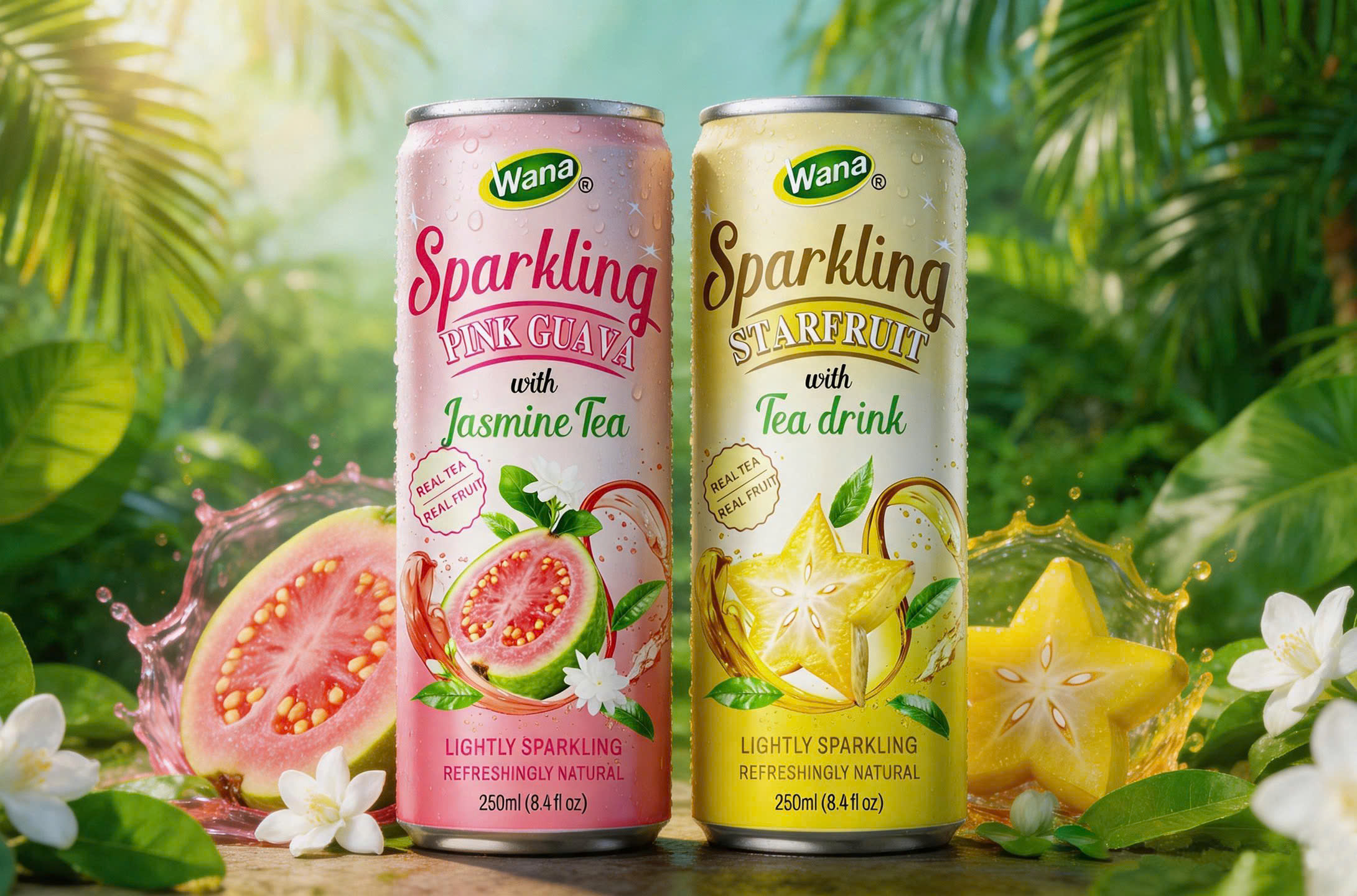
In addition, herbal tea beverages offer significant room for innovation. Brands can experiment with different flavor profiles and ingredient combinations to appeal to various target audiences. For businesses targeting wellness-conscious consumers, this category offers strong long-term potential.
What to Look for in a Private Label Beverage Manufacturer
Choosing the right beverage category is important, but selecting the right manufacturing partner can be equally critical. A reliable private label manufacturer should offer more than production capacity. Businesses often benefit from partners that can provide product development support, flavor recommendations, packaging guidance, and assistance with export requirements.
Flexibility is another important factor. For example, some brands may wish to test multiple flavors before committing to larger production volumes. In such cases, manufacturers that offer flexible development processes can help reduce risk. At the same time, certifications, quality control systems, and export experience should not be overlooked. These factors can influence everything from regulatory compliance to buyer confidence.
Ultimately, working with an experienced manufacturing partner allows businesses to focus on branding, marketing, and distribution while relying on professional support throughout the production process.
Common Challenges When Launching a Private Label Beverage Brand
While selecting the right beverage category is important, many businesses face challenges before production even begins. One common challenge is understanding which products are suitable for a target market. A beverage that performs well in one region may not generate the same demand elsewhere. Another challenge involves finding a manufacturer capable of supporting product customization, export requirements, and long-term production growth.
Businesses also frequently have questions about MOQ requirements, certifications, packaging options, and production timelines. Without proper guidance, these decisions can slow down the development process and increase risk. Working with an experienced OEM and private label manufacturer can help simplify these decisions and improve efficiency throughout the project.
Understanding MOQ Before Starting a Project
Minimum Order Quantity (MOQ) is one of the most frequently discussed topics when launching a private label beverage. Many startups assume that beverage manufacturing always requires extremely large orders. In reality, MOQ varies depending on the product category, packaging format, ingredients, and production requirements. Understanding MOQ early in the planning process helps businesses manage budgets, inventory levels, and distribution strategies more effectively.
In some cases, manufacturers may also offer flexible production arrangements that allow brands to evaluate multiple flavors before committing to larger volumes. For businesses entering the market for the first time, this flexibility can significantly reduce risk.
Why Certifications Matter for Export Markets
For distributors and importers, certifications are often just as important as the product itself. International buyers frequently look for manufacturers that operate under recognized quality and food safety systems. Certifications such as FDA registration, HACCP, ISO, GMP, and Halal can help support market entry and build buyer confidence.
Without proper certifications, brands may face additional compliance requirements, delays, or challenges when expanding into international markets. Therefore, choosing a manufacturing partner with strong quality management systems can provide a valuable long-term advantage.
From Product Idea to Market Launch
One of the biggest advantages of private label manufacturing is the ability to streamline product development. The process typically begins with understanding the target market and product objectives. Based on those requirements, manufacturers can recommend suitable beverage categories, packaging formats, and flavor profiles.
After product selection, samples are prepared for evaluation. Once approved, production planning, packaging development, quality control, and shipment preparation follow. By working with an experienced manufacturing partner, businesses can move from concept to finished product more efficiently than developing a beverage independently.
Request a Quote for Your Healthy Drink Project
The healthy beverage market continues to create opportunities for businesses worldwide. Choosing the right product category and manufacturing partner can help accelerate your path to market while reducing development risks.
Whether you are exploring private label coconut water, aloe vera drinks, functional beverages, herbal teas, or other healthy drink concepts, Wana Beverage can support you throughout the development process.
Contact Wana Beverage today to discuss your project, request samples, or receive a customized quotation. We are ready to help turn your beverage idea into a market-ready product.